
Most sellers want one answer: should I fix anything, or just sell the house as-is? The truthful answer is that it depends on what the house is, who its buyers will be, and what the local market is doing this quarter. This guide explains how to think about it, and what as-is and needs repairs actually mean when a home is listed in Northern Utah.
What as-is actually means
As-is means the seller will not make repairs as a condition of the sale. It does not mean the seller hides problems. Utah sellers still complete property disclosures honestly, and the buyer's inspection still happens. In practice, as-is buyers either plan to do the work themselves or expect the price to reflect the condition. A house priced as if it were perfect will sit even in a busy market; an honest as-is price attracts the right buyers.
Which repairs actually pay off
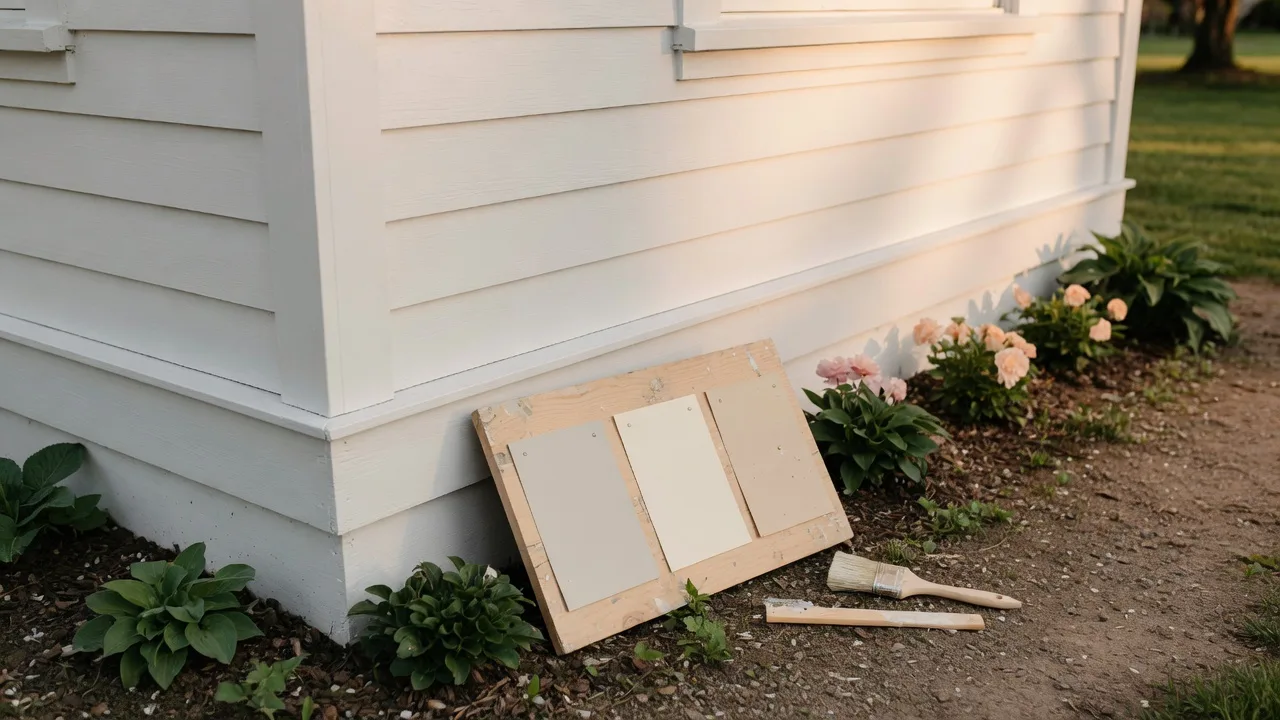
Start with the items that affect safety and function, because buyers and their lenders care most about these: the roof, the heating and cooling system, the water heater, electrical, plumbing, and foundation issues. Then look at what is visibly dated, because surface condition shapes the first impression and therefore the offers: worn flooring, old paint colors, tired kitchens and baths. A lender's concern is the house functioning; a buyer's eye is the house feeling cared for.
Use the inspection to your advantage
There are two ways to play it. You can order a pre-listing inspection and know exactly what a buyer will find, then decide what to fix, what to discount for, and what to disclose. Or you can list as-is and negotiate from the buyer's inspection report, which can mean re-trading price and credits under deadline pressure. Most sellers prefer knowing their own list of issues first. Either way, a surprise at the end of a contract is the most expensive kind.
When selling as-is is the right call
As-is is often the wise move for probate and estate properties, especially when heirs live out of state and the house has been vacant. It is also right when the budget for repairs simply isn't there, when the work would take longer than the timeline allows, or when strong investor interest makes the discount worth the speed. The goal is a clean, predictable sale, not a perfect house.
How to decide, in three steps
- Get a realistic pricing picture both ways: what the house would bring fixed versus as-is, based on comparable sales, not guesses.
- Get contractor quotes for the big-ticket items before you spend a dollar, so you know what repairs actually cost.
- Decide with the market, not with emotion. If the numbers are close, choose the path with less risk to your timeline.
Heather runs this exact analysis with sellers before anything is listed, then walks you through the tradeoffs in plain English. If your situation involves an inherited home, the probate and estate guide covers the extra steps that apply.